For your professional ethics edification in July
Once a month the ACPE Professional Ethics Commission (PEC) posts a couple of statements from our Code of Professional Ethics for ACPE Members. Each posting is accompanied by a brief personal reflection from a member of the PEC discussing some ways this person lives these commitments.*
In relation to ACPE, members:
- Continue professional education and growth, including participation in the meetings and affairs of ACPE.
- Avoid using knowledge, position, or professional association to secure unfair personal advantage; do not knowingly permit their services to be used by others for purposes inconsistent with the ethical standards of ACPE; or use affiliation with ACPE for purposes that are not consistent with ACPE standards.
ACPE Certified Educator Cecelia Ann Walker from Ingalls Center of Pastoral Ministries in (Birmingham, AL), comments:
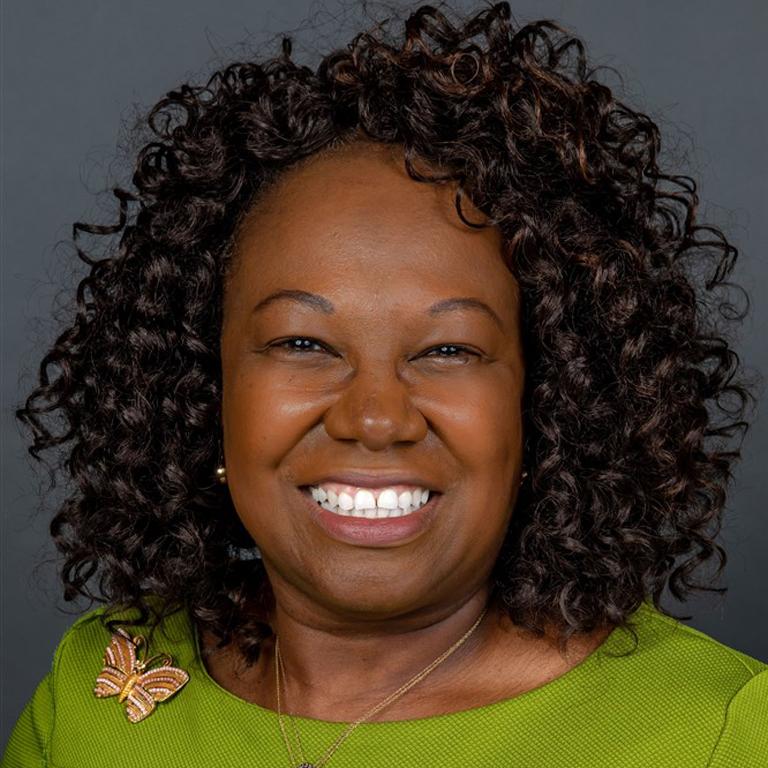 This section of our Code of Professional Ethics encourages us to intentionally pursue opportunities to expand our education and growth as ACPE Certified Educators. Working in the context of Spiritual Care Education affords us opportunities to connect with students from diverse backgrounds with varied needs, expectations and wants. I believe that it is unethical of us to evaluate our students’ growth, while refusing to pursue growth personally, spiritually, and professionally ourselves.
Most of us have probably heard the statement: “Membership has its privileges”. While that is certainly true of our membership in ACPE, our membership also comes with responsibilities. One of the most important in my thinking is to avoid misrepresenting or functioning in any way that is incongruent with the mission and Standards of ACPE. We demonstrate integrity and protect the reputation of ACPE when we operate in the spirit of honesty within the boundaries and Standards we have all agreed to respect.
*Every situation is unique, and any member should not act based solely on the comments in the article but to base action on an independent review of the ethical standards applicable to his/her situation.